Running a successful roof repair business in California requires more than just skilled technicians and quality materials. The technology infrastructure that supports your daily operations plays a crucial role in efficiency, customer satisfaction, and overall profitability. At the heart of this infrastructure lies your choice of operating system, which affects everything from scheduling software to accounting tools and customer relationship management.

riverside roof inspection database management software

The operating system you select for your roofing business computers will impact how smoothly your office runs, how quickly your team can access critical information, and how well your various business applications work together. Understanding the strengths and limitations of each major operating system can help you make an informed decision that aligns with your business needs and budget.

Windows: The Industry Standard for Business Applications

Microsoft Windows remains the dominant operating system in business environments, and for good reason. Windows offers unparalleled compatibility with business software, making it the go-to choice for many roofing contractors who rely on specialized industry applications.

Advantages of Windows for Roofing Businesses

  • Extensive software compatibility with estimating and project management tools
  • Familiar interface that reduces training time for new employees
  • Strong integration with Microsoft Office suite for proposals and invoicing
  • Wide range of hardware options at various price points
  • Excellent support for accounting software like QuickBooks

Windows 10 and Windows 11 provide robust security features, regular updates, and excellent support for cloud-based services. For roofing businesses that use specialized estimating software or drone imaging tools, Windows typically offers the broadest compatibility. The operating system handles resource-intensive applications well, which is important when working with large image files from roof inspections or complex 3D modeling software.

Considerations and Drawbacks

The main drawbacks of Windows include higher vulnerability to malware compared to other operating systems, requiring diligent antivirus protection and security practices. Licensing costs can add up, especially for businesses with multiple workstations. Additionally, Windows systems may require more frequent maintenance and can experience performance degradation over time without proper management.

macOS: Premium Performance and Reliability

Apple’s macOS has gained traction in business environments, offering a different approach to computing that emphasizes user experience and ecosystem integration. For Riverside Roof Repair companies considering macOS, the decision often comes down to specific workflow requirements and existing technology investments.

Benefits of macOS in Business Settings

  • Superior build quality and longevity of Apple hardware
  • Excellent security with lower malware risk
  • Seamless integration with iPhone and iPad devices
  • High-quality display technology for reviewing inspection photos
  • Stable operating system with fewer crashes

macOS excels in creative tasks and offers exceptional reliability. The operating system requires minimal maintenance and tends to maintain consistent performance over years of use. For roofing businesses that prioritize mobile integration, the ability to seamlessly sync data between Mac computers and iOS devices can streamline field-to-office communication.

Limitations to Consider

The primary challenge with macOS is limited software compatibility. Some specialized roofing industry applications may not have Mac versions, though many modern cloud-based solutions work across platforms. The higher upfront cost of Apple hardware can be a significant investment, though many businesses find the longevity and reduced IT support needs offset this initial expense.

Linux: Cost-Effective and Customizable

Linux distributions offer a compelling alternative for budget-conscious roofing businesses willing to embrace open-source solutions. While less common in traditional business settings, Linux has matured significantly and can serve specific business needs effectively.

Linux Advantages

  • Zero licensing costs for most distributions
  • Exceptional security and stability
  • Lower hardware requirements extend computer lifespan
  • High degree of customization
  • Strong performance for server and networking tasks

Ubuntu, Linux Mint, and other user-friendly distributions have made Linux more accessible to non-technical users. For businesses comfortable with web-based applications and cloud services, Linux can provide a secure, cost-effective platform.

Challenges of Linux Adoption

The learning curve for staff unfamiliar with Linux can be steep. Limited availability of industry-specific software may require workarounds or alternative solutions. Technical support options are more limited compared to commercial operating systems, potentially requiring more in-house IT expertise.

Making the Right Choice for Your Roofing Business

The optimal operating system for your roof repair business depends on several factors: your budget, existing software investments, technical expertise of your team, and specific workflow requirements.

For most roofing businesses, Windows offers the best balance of software compatibility, hardware options, and familiar interface. It supports virtually all industry-specific applications and integrates well with common business tools.

For businesses prioritizing reliability and mobile integration, macOS provides an excellent user experience with minimal maintenance needs, though at a premium price point.

For budget-conscious operations comfortable with web-based tools, Linux offers a cost-effective solution with excellent security and performance.

Hybrid Approaches and Future Considerations

Many successful roofing businesses adopt hybrid approaches, using Windows for office workstations running specialized software while leveraging iPads for field work or Linux for server infrastructure. Cloud-based business management platforms have reduced operating system dependency, allowing teams to work across different platforms seamlessly.

As your business grows, regularly reassess your technology needs. The right operating system choice today should support your operations for years while remaining flexible enough to adapt to changing business requirements and emerging technologies in the roofing industry.

The pest control industry has come a long way from the days of handwritten invoices and paper route sheets. Today, technology is transforming how pest control professionals serve their communities, making services more efficient, effective, and customer-friendly than ever before. As someone who’s watched this evolution firsthand, I can tell you that the changes we’re seeing aren’t just impressive—they’re making a real difference in how we protect homes and businesses from unwanted invaders.

The Digital Transformation of Pest Management

When I first started in this business, everything was manual. We’d scribble notes on clipboards, file paperwork in cabinets, and rely on memory to track customer preferences. It worked, but it wasn’t perfect. Now, the top extermination companies and pest management professionals across the country are embracing software solutions that are changing the game entirely. This includes Arizona firms that are providing pest control in Buckeye.

The shift to digital platforms has been nothing short of revolutionary. Modern pest control software handles everything from scheduling and routing to customer communication and billing. What used to take hours of administrative work now happens with a few clicks, freeing up time to focus on what really matters: providing excellent service to customers who need help protecting their properties.
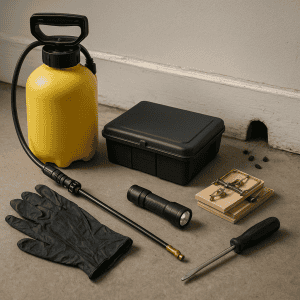
programming-language-pest-infestation

Real-Time Scheduling and Route Optimization

One of the most significant improvements software has brought to our industry is intelligent scheduling and route optimization. Gone are the days when technicians would crisscross town inefficiently, wasting time and fuel while customers waited.

Smart Routing Benefits

  • Reduced travel time between appointments
  • Lower fuel costs and environmental impact
  • More appointments completed per day
  • Faster response times for urgent pest issues
  • Better work-life balance for technicians

Modern software uses GPS technology and algorithms to create the most efficient routes possible. If an emergency call comes in, the system can instantly identify which technician is closest and adjust everyone’s schedule accordingly. This means when a customer discovers a scorpion nest or a termite swarm, help can arrive faster than ever before.

Enhanced Customer Communication

The relationship between pest control companies and their customers has been transformed by communication technology. In the past, customers might wait at home for hours, wondering when their technician would arrive. Today’s software solutions have eliminated that frustration entirely.

Automated notifications keep customers informed every step of the way. They receive appointment reminders via text or email, real-time updates when their technician is en route, and detailed service reports immediately after treatment. This transparency builds trust and shows customers that their time is valued.
software-updates-seasonal-treatments

Digital Service Reports

After each visit, technicians can now generate comprehensive digital reports that include photos, treatment details, and recommendations. Customers receive these reports instantly on their phones or computers, complete with images showing exactly what was found and what was done about it. This level of documentation was simply impossible with paper-based systems.

Inventory Management and Product Tracking

Keeping track of chemicals, equipment, and supplies used to be a constant headache. Running out of a critical product in the middle of a route could derail an entire day. Software has brought order to this chaos through sophisticated inventory management systems.

These systems track product usage in real-time, automatically flagging when supplies are running low and even generating purchase orders. Technicians can see exactly what’s in their truck before leaving for the day, and managers can monitor inventory levels across the entire fleet from a single dashboard.

This level of control ensures that technicians always have what they need to complete jobs effectively, reducing callbacks and improving first-time resolution rates.

Data-Driven Pest Management

Perhaps the most exciting development in pest control software is the ability to collect and analyze data in ways that were previously impossible. Every service call generates valuable information about pest activity patterns, treatment effectiveness, and seasonal trends.

What Data Reveals

  • Which pests are most active during specific times of year
  • Which treatments work best for particular infestations
  • Geographic patterns of pest activity
  • Customer retention and satisfaction trends
  • Predictive insights for proactive pest prevention

This data allows pest control professionals to move from reactive to proactive service. Instead of simply responding to problems, we can now predict when certain pests are likely to appear and reach out to customers beforehand with preventive treatments. This approach is better for everyone—it’s more cost-effective for customers and leads to better outcomes overall.

Mobile Technology in the Field

The smartphone revolution has put powerful computers in every technician’s pocket. Modern pest control apps turn these devices into comprehensive business tools that connect field workers with office staff and customers seamlessly.

Technicians can access customer history, property maps, and past service notes before even arriving at a location. They can take photos, record observations, and update service records in real-time. If they encounter an unusual pest or situation, they can instantly consult with specialists or access identification resources from organizations like the Entomological Society of America.

This immediate access to information means better service and more informed decision-making at every stop.

Improved Safety and Compliance

The pest control industry is heavily regulated, and for good reason. We work with products that require careful handling and precise application. Software has made compliance management significantly easier and more reliable.

Digital systems can store safety data sheets, track technician certifications, ensure proper product usage documentation, and maintain required records automatically. When inspectors come calling, everything they need is organized and accessible instantly. More importantly, these systems help ensure that every application is done safely and according to regulations, protecting both technicians and customers.

Customer Portals and Self-Service Options

Modern customers expect to be able to manage their services online, and pest control software delivers. Customer portals allow people to schedule appointments, view service history, make payments, and communicate with their pest control company at their convenience.

This self-service capability doesn’t replace personal interaction—it enhances it. Customers can handle routine matters online while still having access to knowledgeable staff when they need advice or have questions. It’s the best of both worlds.

Financial Management and Business Intelligence

Behind the scenes, pest control software has revolutionized business operations. Automated billing reduces errors and speeds up payment processing. Financial dashboards provide real-time insights into business performance, helping owners make informed decisions about pricing, staffing, and growth strategies.

Key Financial Features

  • Automated invoicing and payment processing
  • Revenue tracking by service type, technician, or area
  • Profitability analysis for different service offerings
  • Forecasting tools for business planning
  • Integration with accounting software

These tools help pest control businesses operate more professionally and profitably, which ultimately benefits customers through better service and more stable companies.

Training and Quality Assurance

Software platforms now include training modules and quality assurance features that help maintain high service standards across entire organizations. New technicians can access training materials on-demand, while managers can monitor performance metrics and identify areas where additional coaching might be needed.

Digital checklists ensure that every service call follows best practices and company standards. This consistency means customers receive the same excellent service regardless of which technician arrives at their door.

The Environmental Impact

Going paperless isn’t just convenient—it’s better for the environment. The pest control industry used to generate enormous amounts of paper through service tickets, invoices, and reports. Digital systems have dramatically reduced this waste while actually improving record-keeping and accessibility.

Additionally, route optimization software reduces fuel consumption and vehicle emissions. When technicians spend less time driving between jobs, everyone benefits from the reduced environmental impact.

Looking Toward the Future

The software revolution in pest control isn’t slowing down. Emerging technologies promise even more exciting developments on the horizon. Artificial intelligence and machine learning are beginning to provide predictive analytics that can forecast pest outbreaks before they happen. Drone technology may soon assist with inspections of hard-to-reach areas. Internet of Things (IoT) sensors could provide continuous monitoring of pest activity, and research from agencies like the USDA continues to inform best practices in integrated pest management.

The future of pest control is smart, connected, and more effective than ever before.

As someone who cares deeply about serving our community well, I’m grateful for these technological advances. They allow us to provide better service, respond more quickly to problems, and build stronger relationships with the people we serve. The pest control industry has always been about protecting homes and businesses from unwanted invaders, but now we can do it with unprecedented efficiency and effectiveness.

Technology hasn’t replaced the personal touch that makes local pest control companies special—it’s enhanced our ability to deliver on our promises. We still care about each customer individually, we still take pride in solving problems, and we still stand behind our work. We just have better tools to do the job right.

The software revolution has made pest control more professional, more reliable, and more customer-focused than ever before. And that’s something worth celebrating.

Choosing Effective Pest Control in Augusta

Augusta homeowners face persistent pest challenges throughout the year. From termites damaging wooden structures to mosquitoes making outdoor spaces unusable, effective pest management isn’t optional—it’s essential for protecting your property and maintaining your quality of life. The National Pest Management Association is a great place to learn about these topics.
bed bug exterminator working on mattress
The key to successful pest control lies in selecting a provider that delivers measurable results within reasonable timeframes. You need a company that doesn’t just treat visible problems but implements comprehensive strategies to prevent future infestations. When searching for pest control Augusta GA residents trust, focus on providers with proven track records and systematic approaches to elimination and prevention.

What sets professional pest control apart from DIY methods:

  • Access to commercial-grade treatments unavailable to consumers
  • Trained technicians who identify root causes, not just symptoms
  • Targeted application methods that maximize effectiveness while minimizing exposure
  • Ongoing monitoring to ensure pests don’t return
  • Warranty coverage that protects your investment

Common Pest Problems in Augusta

Georgia’s humid subtropical climate creates ideal conditions for numerous pest species. Understanding what you’re up against helps you evaluate whether a pest control company has the expertise to handle your specific situation.

Termites represent the most financially damaging pest threat in the Augusta area. A mature colony can consume approximately one pound of wood per day, causing thousands of dollars in structural damage before homeowners even notice signs of infestation. Professional termite treatment typically shows results within 90 days, with complete colony elimination taking up to six months depending on infestation severity.

Mosquitoes peak during warm months but remain active nearly year-round in Augusta. Professional mosquito control programs reduce populations by 85-90% within the first treatment cycle, with monthly maintenance keeping numbers suppressed throughout the season.

Ants, particularly Argentine ants and fire ants, establish extensive colonies that require targeted baiting systems. Expect visible reduction within 7-14 days, with complete control achieved in 4-6 weeks through proper treatment protocols.

Roaches thrive in Augusta’s climate and can multiply rapidly once established. German cockroaches, the most common indoor species, reproduce quickly—a single female can produce over 30,000 offspring in one year. Professional treatment eliminates active populations within 2-3 weeks, with follow-up applications preventing re-establishment.

Service Models and Treatment Timelines

Professional pest control companies typically offer several service structures. One-time treatments address immediate problems but provide no ongoing protection. Quarterly service plans maintain consistent pest barriers and catch new activity before it becomes problematic. Monthly programs deliver maximum protection for properties with persistent issues or high pest pressure.

Initial treatments focus on elimination, using concentrated applications to knock down existing populations. You should see significant reduction within 7-10 days for most pest types. Follow-up visits shift to prevention mode, maintaining barriers and monitoring for new activity.

Termite protection requires specialized approaches. Liquid barrier treatments create continuous chemical zones around your foundation, providing 5-10 years of protection with proper application. Baiting systems use monitoring stations to detect activity and strategically placed toxicants that termites carry back to their colonies.

Evaluating Pest Control Providers

Not all pest control companies deliver equivalent results. When comparing options, examine these critical factors:

Licensing and certification: Georgia requires pest control operators to maintain state licenses. Verify credentials before signing any agreement.

Treatment methods: Companies should explain their approach clearly, including products used, application methods, and expected timelines for results.

Service guarantees: Reputable providers stand behind their work with warranties that include re-treatment at no additional cost if pests return between scheduled visits.

Response times: For urgent situations like wasp nests or severe infestations, same-day or next-day service availability matters.

Inspection thoroughness: Initial property assessments should cover interior spaces, exterior perimeter, crawl spaces, and attics to identify all contributing factors.

Making Your Decision

Effective pest control protects your largest investment while creating a healthier living environment for your family. The right provider eliminates current problems and prevents future ones through systematic treatment and monitoring.

Don’t let pest issues escalate into costly damage or health concerns. Professional pest control delivers results that DIY methods simply cannot match, with timelines measured in days and weeks rather than months of frustration. Select a provider with the expertise, resources, and commitment to keep your Augusta home pest-free year-round.

Water damage restoration doesn’t look like it did ten years ago. Digital tools and a bit of programming know-how have changed how professionals assess and document property damage, and nowhere is that more useful than in Tucson, Arizona, where monsoon season and the occasional plumbing failure keep restoration crews busy. Technology now delivers faster, more accurate assessments, which benefits property owners and insurance companies alike.

This isn’t just modernization for its own sake. Bringing digital tools into the assessment workflow changes how technicians approach a job from the ground up, from how they collect data to how they explain findings to everyone involved.

Core Technologies Reshaping Damage Assessment

Moisture Mapping Software

Handheld meters used to be the whole toolkit. Now there’s software that builds a full visual map of how water moved through a structure. These programs pull in data from various sensors and turn it into color-coded maps showing moisture levels room by room.

Technicians mark reading locations, timestamp each measurement, and track how things change across multiple visits. That record ends up being the thing that proves drying actually worked before reconstruction starts.

Thermal Imaging Integration

Pair an infrared camera with the right software and suddenly you can see moisture hiding behind walls, under floors, inside ceilings: places a handheld meter would never catch. The programming behind these tools reads temperature differentials and flags spots that need a closer look.

Some of the more advanced setups can even lay a thermal image directly over a regular photo, giving you one image that shows the visible damage and the hidden problem at the same time.

Database-Driven Documentation Systems

Paper forms and scattered spreadsheets are mostly gone now. Cloud-based platforms walk technicians through a standard assessment process while still leaving room to adjust for whatever’s specific to the damage in front of them.

Building Efficiency Through Custom Programming Solutions

Some restoration companies are building their own tools now: automated report generation, portals for talking to clients, systems that track equipment across job sites so nothing gets left where it shouldn’t be.

For property owners dealing with an active water emergency, this stuff translates into something simple: faster response and clearer communication the whole way through. A service like https://waterdamageintucsonaz.com/ shows what it looks like when technical expertise and digital tools actually work together.

Data Collection Standards and Consistency

Good programming logic keeps data collection consistent no matter who’s on the job or which site they’re at. That usually means required fields that block incomplete paperwork, standardized measurements that cut down on human error, automatic square footage and volume calculations, equipment logs tied to dehumidifier and air mover placement, and photos that stay organized by room and damage type.

That consistency matters most on big commercial jobs, or anywhere an insurance claim is going to demand documentation that actually holds up.

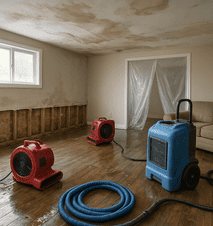
programming tools for water damage repair assessment

Real-Time Monitoring and Remote Assessment

Internet-connected sensors can now watch drying conditions around the clock without anyone standing there. They send temperature, humidity, and moisture readings straight to the cloud, where algorithms flag anything trending the wrong way.

That means a restoration team can keep an eye on several projects at once without shortchanging any of them, which usually means less disruption and a faster finish for the property owner.

The Future of Assessment Technology

What’s coming next is a bigger leap. Machine learning may eventually predict drying times based on material type, environmental conditions, and years of historical data. Augmented reality could walk a less experienced technician through a tricky assessment by overlaying instructions right onto what they’re looking at.

None of that works without buy-in on the practical side, though. Adopting new technology takes real training, solid data security, and backup systems for the moments when the software just doesn’t cooperate. The implementations that actually succeed are the ones that make the field job easier instead of more complicated.

digital assessment tools for flooded properties

Putting the Digital Tools to Work

Digital tools have pulled water damage assessment out of guesswork and turned it into something closer to a real discipline. For property owners facing an emergency here, that shift means better documentation, more accurate assessments, and restoration outcomes that hold up when it matters.